Custom Fiber Optic Assembly Services
Precision, Partnership, and Performance for OEMs
What fiber optic assembly services does Agility Tech provide?
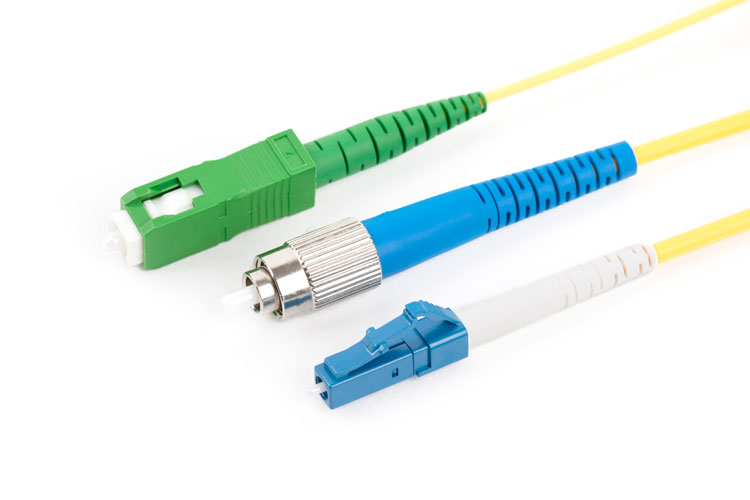
Agility Tech provides custom fiber optic assembly services for OEMs, including glass and plastic fiber processing, connectorization, precision polishing, inspection, cleaning, testing and validation. Capabilities include single-mode, multimode, ribbon fiber, LC, SC, ST, FC, MPO/MTP, 905 SMA and custom configurations, with engineering and DFM support from prototype through scalable production.
Capabilities Snapshot
| Capability | Agility Tech Support |
|---|---|
| Fiber Types | Glass, plastic, single-mode, multimode, ribbon |
| Connectorization | LC, SC, ST, FC, MPO/MTP, 905 SMA, custom |
| Processing | Cutting, stripping, cleaving, polishing |
| Inspection | Digital end-face inspection |
| Testing | IL, RL, OTDR, visible-light testing |
| Engineering | DFM, prototyping, value engineering |
| Production | Prototype through scalable manufacturing |
Fiber optic assemblies are at the heart of today’s most demanding applications—from scientific instruments and medical devices to telecom, defense, and industrial automation. As a trusted manufacturing partner, Agility Tech delivers technical excellence along with collaborative support and supply chain reliability that OEMs need to innovate, scale confidently, and meet commitments.
Agility Tech’s North America operations have been leading the way in solutions-focused electronic manufacturing services for well over three decades.
Equipped with in-house glass and plastic fiber optic assembly processing, polishing, assembly, and testing capabilities, our North America operations can expertly support your fiber optic needs, ranging from standard FC and ST configurations and ribbon fiber, to small form factor connection configurations and custom applications.
Learn more in our Fiber Optic Basics Guide for OEMs, which covers our capabilities and how to choose the right manufacturing partner.

Some of Our Applications & Markets Served
- Scientific Instruments: Precision fiber assemblies for spectroscopy, chromatography, and laboratory automation.
- Medical Devices: Biocompatible, high-reliability assemblies for imaging, diagnostics, and surgical systems.
- Telecom & Data Centers: High-density, low-loss solutions for networking, switching, and backbone infrastructure.
- Industrial Automation & Sensing: Ruggedized assemblies for harsh environments and real-time monitoring.
- Defense & Aerospace: Mission-critical fiber optic solutions meeting stringent military and aerospace standards.

Our Fiber Optic Assembly Expertise
With decades of diverse solutions-focused EMS and fiber optic experience, we offer comprehensive fiber optic capabilities to meet the most demanding requirements. Our in-house capabilities include:
-
What Fiber Types Does Agility Tech Process?
Precision cutting, stripping, cleaving, and end-face polishing for both single-mode and multimode fibers. -
What Connector Options Are Available?
- 905 SMA
- 905 SMA ceramic nose
- 905 SMA high-power
- 905 SMA with heat sink
- LC, SC, ST, FC, MPO/MTP
- Small form factor
- Rectangular and round slit
- Round ferrule and step
- V-groove slit
- Custom configurations
-
How Are Fiber Optic Assemblies Polished?
Initial, intermediate and final precision polishing is critical in the manufacture of fiber optic assemblies, removing excess epoxy, achieving the correct end-face angle/geometry, shaping the ferrule, removing end-face imperfections and scratches that can contribute to signal degradation. -
How Are Fiber Optic Connectors Inspected and Cleaned?
Industry standards such as IEC 61300-3-35 set stringent criteria for end-face cleanliness and quality, specifying acceptable levels for surface imperfections and contamination.- Inspection of end-face quality and cleanliness is another crucial step in the manufacture of fiber optic assemblies. Contamination, imperfections or damage (scratches, pits, cracks, debris) can cause significant insertion loss. Even tiny particles can disrupt signal transmission.
- Proper end-face geometry (angle of polish, radius of curvature, apex offset, fiber protrusion) is also essential to ensure proper physical contact and alignment of fiber cores to respective connectors, which is vital to achieving optimal signal transmission.
- When using MPO/MTP connectors, another important parameter is “coplanarity,” which refers to the flatness of the fiber array critical for ensuring uniform contact across all fibers in the connector.
- Digital inspection scopes are used to visually inspect end faces. Automated inspection systems can be used to analyze end-face surfaces and provide a pass or fail, reducing human fatigue/error, further improving efficiency.
- Fiber optic cable assembly manufacturers can significantly improve the reliability, performance, and longevity of their fiber optic cable assemblies by ensuring the proper geometry, quality, and cleanliness of their end faces.
-
How Does Agility Tech Test Fiber Optic Assemblies?
Insertion/return loss, Optical Time Domain Reflectometer (OTDR), and environmental validation. -
How Are Assemblies Validated for Compliance?
From ribbon fiber and small form factor assemblies to complex multi-fiber and polarization solutions, we build and validate all assemblies to meet stringent performance requirements and withstand rigorous deployment and environmental demands.
Read our guide to what matters most for OEMs in fiber optic assemblies.
Why Should OEMs Outsource Fiber Optic Assembly?
1. Technical & Quality Risks
Precision & Expertise:
Fiber optic production requires specialized expertise, carefully monitored and executed manufacturing and quality control protocols, precision polishing, sub-micron alignment, meticulous cleaning, and complex test/validation equipment. We utilize advanced equipment and highly skilled technicians to produce fiber optic assemblies that meet all customer requirements.
Rigorous Testing:
End-to-end testing is required to ensure compliant fiber optic assemblies, preventing field failures and costly recalls:
- Digital inspection scopes: These devices are used to examine the end faces for cleanliness and defects, such as scratches that can degrade signal transmission.
-
What Is Insertion Loss Testing?
Measures the signal strength loss as light travels through fiber optic components. A lower insertion loss indicates better performance. Testing with a light source and power meter or an Optical Loss Test Set (OLTS) is a highly accurate method for measuring attenuation or end-to-end signal loss. By analyzing how waves combine and interact, interferometry can be used to measure distances, surface profiles, refractive index variations, etc., with high accuracy. -
What Is Return Loss Testing?
Evaluates the amount of light reflected back towards the source. Higher return loss values signify less reflection, and therefore, better performance. -
What Is OTDR Testing?
An OTDR analyzes reflected and backscattered light to detect faults, bends, splice losses, and measures fiber length. -
What Is Visible Light Testing?
Using a visible light laser is a method of identifying breaks or bends by showing light leakage.
2. Supply Chain & Component Risks

Component Sourcing: Qualified manufacturing partners manage complex supply chains for connectors, ferrules, specialty fibers and other required components and materials, mitigating shortages and obsolescence through strategic supplier networks.
Multi-Site Manufacturing & Tariff/Logistics Flexibility: Unlike manufacturers limited to a single plant or region, Agility Tech offers multiple synergistic manufacturing operations across strategic regions (U.S., Mexico, and off-shore), with the same requisite certifications, core competencies, and capabilities. This structure allows us to provide our customers with essential manufacturing, engineering, tooling, global supply chain, scalability, and logistics options, leveraging the regions with the most favorable tariff conditions, trade agreements between cooperating countries, and logistics as circumstances dictate. Agility Tech offers its customers essential flexibility and options—quickly adapting to sudden trade and policy disruptions—maintaining competitiveness and supply continuity for all stakeholders.
3. Scalability and Time-to-Market Risks
Scheduling/Demand Fluctuations: Qualified manufacturing partners can effectively and efficiently manage fluctuation of OEM upside and downside production requirements while mitigating adverse outcomes to customers.
Faster Launch Cycles: Automated processes, focused expertise, and dedicated production lines significantly accelerate time-to-market.
4. Cost and Resource Risks
Eliminating Fixed Costs: OEMs can avoid capital expenditures for specialized polishing, fiber testing, and validation equipment, by collaborating with qualified manufacturing partners.
Labor Specialization: Avoid costly personnel training and certifications. Skilled and highly trained technicians perform required intricate tasks.
5. Compliance and Continuity Risks
Regulatory Assurance: Qualified manufacturing partners maintain QMS excellence and required certifications (ISO 9001, ISO 13485, IPC, ITAR, etc.), support serialization requirements, and archive documentation for traceability, ensuring compliance in regulated markets such as medical and defense.
Risk Diversification: Qualified manufacturing partners with multi-site production mitigate single-point manufacturing failures and supply chain ruptures.
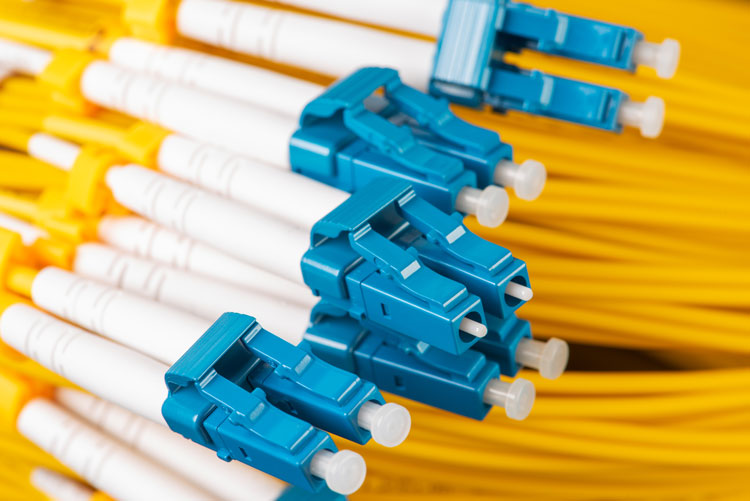
Risk Reduction Framework Summary
| Risk Type | How Outsourcing Mitigates Risks | Outcome for OEMs |
|---|---|---|
| Technical/Precision Failures | State-of-the-art equipment; precision alignment; digital end-face inspection; rigorous end-to-end testing & validation | Elimination of failures; increased efficiency and yield; ensures reliable performance |
| Supply Chain Problems and Delays | Enhanced supply chain and component inventory management; increased flexibility, multi-region sourcing; economies of scale/contract pricing; tariff mitigation | Uninterrupted production; flexibility; cost stability |
| Demand Volatility | Scalable capacity; upside and downside demand management | Inventory management; faster response to market shifts, scale production as needed |
| Compliance Failure | Certified QMS; skilled/trained technicians; comprehensive process documentation & validated manufacturing processes; rigorous testing/validation protocols | Audit-ready QMS, processes, and products; faster approvals |
| Cost Overruns | No tooling/CAPEX; labor efficiency; economies of scale | Lower costs; freed capital |
Addressing Your Risks
Agility Tech’s fiber optic solutions directly address these risks through:
- Design for Manufacturability (DFM): Early collaboration to optimize designs for compatibility, functionality, manufacturability, cost, quality, and scalability.
- Multi-Site Resilience: Production flexibility across North America and off-shore facilities. Agility Tech offers its customers essential flexibility and options—quickly adapting to sudden trade and policy disruptions—maintaining competitiveness and supply continuity for all stakeholders.
- Lifecycle Management: Management of component obsolescence and alternative component support.
Bottom Line: Outsourcing transforms fiber optic production from a high-risk, resource-and-CapEx-intensive endeavor into a streamlined, predictable, and reliable high-value partnership—freeing OEMs to innovate while ensuring quality, compliance, and on-time delivery.
See how Agility Tech's fiber optic assembly solutions reduce OEM risk.


Fiber Optic Assembly Outsourcing—OEM Pain Points
1. Alignment & Precision Challenges
- Sub-micron core-to-core alignment is critical; even a 10th of a micron misalignment can cause major signal loss.
- Inefficient and inadequate processes and protocols can introduce variability and high failure rates, especially in multi-fiber or polarization-maintaining assemblies.
2. Process Consistency & Quality Control
- Fiber optic assemblies require precise manufacturing processes and robust testing and inspection protocols to ensure consistent performance and reliability.
- High failure rates from misalignment or insufficient process controls can decrease efficiency, drive up costs, and delay time-to-market.
3. Supply Chain and Component Availability
- Component obsolescence and inadequate supply chain management can disrupt production and increase lead times and costs, especially for specialized connectors and materials.
4. Lack of Standardization
- The fiber optic industry’s evolving standards and diverse device designs complicate automation and increase the risk of incompatibility or rework.
5. Communication & Engineering Support
- OEMs need a specialized manufacturing partner who can provide design-for-manufacturability (DFM) feedback, rapid prototyping, and transparent project management—not just assembly labor.


Agility Tech Solutions: How We Address OEM Needs
1. Advanced Processing & Alignment
- We leverage our QMS excellence, expertise, commitment to DFM collaboration and process enhancement, specialized capital equipment/assets, and our highly skilled technicians to achieve sub-micron alignment and repeatable quality, even for the most complex fiber optic assemblies.
- Rigorous process controls and protocols ensure optimal optical performance and reliability.
2. Comprehensive Testing & Quality Assurance
- Comprehensive end-face inspection, insertion/return loss testing, and environmental validation to meet or exceed industry standards.
- Additional testing such as Optical Time Domain Reflectometer (OTDR) testing is incorporated as required to meet specific testing and validation objectives.
- We support serialization, traceability, and documentation archiving for regulated markets, such as medical and defense.
3. Flexible, Scalable Manufacturing
- With North America and off-shore operations, we can scale production to meet your volume and cost objectives while mitigating tariff and supply chain risks, utilizing our extensive geographic diversification and multi-site manufacturing presence and extensive global supply chain infrastructure to effectuate competitive advantage for our customers. Our manufacturing capabilities in these strategic regions provide cost efficiency and geographic risk management. Learn how Agility Tech manages tariff and supply chain risk.
- Our proactive obsolescence management and vast network of strategic suppliers help ensure component availability and long-term support.
4. Engineering & DFM Support
- Our engineers collaborate with your team from concept through production and beyond, offering DFM input, rapid prototyping, and value engineering to optimize performance and manufacturability.
- We support a wide range of applications, from standard patch cords to highly specialized, custom fiber assemblies.
5. Transparency & Project Management
- Our dedicated project managers ensure clear communication, rapid response to design changes, and on-time delivery.
- We support the provision of comprehensive documentation/drawings as needed, and provide a single point of contact for all your fiber optic assembly needs.
Why Choose Agility Tech?
Decades of Experience
Fiber optic and EMS manufacturing expertise.Engineering Support
DFM, prototyping and NPI support.Testing & Quality
Inspection, IL/RL, OTDR and validation.Scalable Manufacturing
North American and offshore manufacturing options.OEM Partnership
Engineering collaboration, project management, and lifecycle support.Fiber Optic Assembly FAQs
What is a custom fiber optic assembly?
A custom fiber optic assembly is a fiber cable terminated with connectors and built to an OEM's specific requirements for length, fiber type, connector style, and performance. It is not an off-the-shelf patch cord. Manufacturing involves cutting, stripping, cleaving, connectorization, precision polishing, end-face inspection, and optical testing. Custom assemblies are used where standard products can't meet the application's size, performance, or environmental demands, such as in medical devices, scientific instruments, and defense systems.
What fiber optic connectors does Agility Tech support?
Agility Tech supports standard connectors including LC, SC, ST, FC, and MPO/MTP, along with small form factor configurations. It also offers several 905 SMA variants: standard, ceramic nose, high-power, and with heat sink. Specialty terminations include rectangular and round slit, round ferrule and step, and V-groove slit. Custom connector configurations are also available for applications that standard options can't serve.
Does Agility Tech manufacture single-mode and multimode fiber assemblies?
Yes. Agility Tech's North America operations process both single-mode and multimode fibers in-house, working with glass and plastic fiber as well as ribbon fiber. Processing covers precision cutting, stripping, cleaving, and end-face polishing. Capabilities range from standard FC and ST configurations to small form factor, multi-fiber, polarization-maintaining, and fully custom assemblies. Support runs from prototype through scalable production.
What testing is performed on fiber optic assemblies?
Agility Tech tests fiber optic assemblies using digital end-face inspection, insertion loss (IL) testing, return loss (RL) testing, and visible-light testing to find breaks or bends. Optical Time Domain Reflectometer (OTDR) testing and environmental validation are added when a project calls for them. End-face inspection follows industry criteria, such as IEC 61300-3-35 for cleanliness and surface quality. Serialization, traceability, and documentation archiving are available for regulated markets such as medical and defense.
What is insertion loss testing?
Insertion loss (IL) testing measures how much signal strength is lost as light passes through a fiber optic assembly or component. Lower insertion loss means better performance. Testing is typically done with a calibrated light source and power meter, or with an Optical Loss Test Set (OLTS), which gives an accurate measure of end-to-end attenuation. Contamination, scratches, or misalignment at the connector end face are common causes of high insertion loss.
What is return loss testing?
Return loss (RL) testing measures how much light is reflected back toward the source at connection points in a fiber assembly. It is expressed in decibels, and a higher value means less reflection and better performance. Excessive back-reflection can degrade signal quality and interfere with laser sources, especially in single-mode systems. Proper polish angle, end-face geometry, and cleanliness are key to achieving good return loss results.
What is OTDR testing?
OTDR (Optical Time Domain Reflectometer) testing sends light pulses into a fiber and analyzes the reflected and backscattered light. From this, it locates faults, bends, and splice or connector losses, and it measures fiber length. Unlike a simple loss test, OTDR shows where along the fiber a problem occurs. Agility Tech adds OTDR testing when needed to meet a project's specific validation objectives.
Can Agility Tech manufacture custom fiber optic assemblies for OEMs?
Yes. Agility Tech builds custom fiber optic assemblies for OEMs, from standard patch cords to highly specialized multi-fiber and polarization-maintaining assemblies. Its engineers collaborate from concept through production, offering design for manufacturability (DFM) input, rapid prototyping, and value engineering. Dedicated project managers provide a single point of contact. Manufacturing across North America and off-shore operations lets production scale to meet volume, cost, and tariff-related goals.
What industries use custom fiber optic assemblies?
Custom fiber optic assemblies serve many demanding industries. Scientific instrument makers use them for spectroscopy, chromatography, and lab automation. Medical device manufacturers need high-reliability assemblies for imaging, diagnostics, and surgical systems. Telecom and data centers rely on high-density, low-loss assemblies for networking and backbone infrastructure. Industrial automation and sensing applications require ruggedized assemblies for harsh environments, and defense and aerospace programs need mission-critical solutions that meet stringent military and aerospace standards.
What should an OEM look for in a fiber optic assembly manufacturer?
An OEM should look for proven fiber optic expertise, in-house polishing, inspection, and testing equipment, and a certified quality management system with relevant certifications, such as ISO 9001 or ISO 13485. Other important factors are engineering support, including DFM and rapid prototyping, and strong supply chain and obsolescence management. The manufacturer should also offer scalable capacity, traceability and documentation for regulated industries, and multi-site manufacturing to reduce supply chain and tariff risk.
Leveraging Our Core Strengths
We exploit our multi-site agility, ensuring business continuity and effective cost control. Through leveraging our strategic supply chain relationships, bundled sourcing, our advanced automation and production capabilities, and inter-operational coordination and cooperation across global sites, we achieve economies of scale, delivering significant cost savings.
Quality assurance is realized through our ongoing commitment to and maintenance of requisite certifications, QMS excellence, standardized processes and dedicated quality control, which ensures consistent results, regardless of production location. Additionally, Agility Tech is committed to sustainability, employing lean manufacturing practices and regional sourcing to reduce waste and carbon footprint, proudly supporting the Environmental, Social, and Governance (ESG) goals of our customers.
Proven commitment and execution:
- Multi-Site Agility
- Automation
- Cost Efficiency
- Quality Assurance
- Synergistic Vertical Integration
- Sustainability
- BOM Management
- Tariff Resiliency

Our Partnership Ethos
At Agility Tech, we know that the strongest partnerships go beyond transactions—they’re built on clear communication, mutual respect, and a shared drive for excellence and success. Our Partnership Ethos checklist is designed to help OEMs collaborate with us in ways that push beyond the basics. When we both lean into this ethos, we can:
• Optimize designs • Streamline production • Manage risks • Accelerate innovation
Together, we’ll unlock superior quality, cost efficiency, and faster time-to-market.
This checklist is more than a tool—it’s a roadmap for transparency, agility, and continuous improvement at every stage of your fiber optics sourcing journey. We talk about it more on this page with EMS projects, but here’s the quick checklist:
- 1. Establish Clear Communication Channels
- 2. Share Complete and Accurate Documentation
- 3. Prioritize Design for Manufacturability (DFM)
- 4. Align on Technical Capabilities and Certifications
- 5. Collaborate on Supply Chain Strategies
- 6. Plan for Change Management
- 7. Focus on Quality and Compliance
- 8. Build in Flexibility and Risk Management
- 9. Evaluate Total Cost and Value
- 10. Foster a Collaborative, Problem-Solving Culture
Choose a partner who is proactive, eager to innovate,
and committed to continuous improvement and mutual success.
The Right Alignment—Meeting Your Current & Future Needs
Custom turnkey electro-mechanical assembly, electronic box, unit, UL508A control panel manufacture, custom cable assemblies & wire harnesses, molded cable assemblies, fiber optic assemblies, PCBAs, low pressure molding, precision metal fabrication & machining, and more—from product development, DFM and DFx, NPI, through to all phases of fully scalable global production—we’ve got you covered. Our adherence to the right strategic certifications, ISO 9001, ISO 13485, UL/CSA, UL508A, IPC, J-STD-001 Soldering, RoHS and Reach compliance, and S20.20 ESD compliance, firmware/software installation, and comprehensive validation and functional testing capabilities ensure compliance with all of your specifications.
We’re Ready to Start—Are You?
Contact us today to discuss your fiber optic assembly requirements.
As you can see, we have vast capabilities and can effectively and efficiently meet your needs.
Whether you need a standard solution or a custom-engineered assembly, our team is ready to help you achieve precision, performance, and peace of mind at every stage of your product lifecycle. Let’s connect!
Agility Tech – Where Challenges Become Solutions